Attachment-Based Therapy in Colorado & Florida
Attachment theory is a cornerstone of understanding how our early relationships shape the way we connect with others throughout our lives.
Whether you're navigating difficulties in relationships, parenting challenges, or a deep sense of insecurity, exploring attachment can bring clarity and healing.
- Free consultation
- Online in Colorado & Florida
- $200 per session

Attachment-Focused EMDR trained
Becky Romero, LMHC, LPC

Do you struggle with attachment wounds?
If your early relationships left you feeling unheard, unseen, or unsafe, it might be shaping how you connect with others today. Attachment wounds can affect your life in subtle but painful ways. Do any of these sound familiar?
- 01
Fear of rejection or abandonment
You worry about being left behind or not being enough for the people you care about. Maybe you overthink conversations, replay interactions in your head, or feel a deep need for reassurance.
- 02
Difficulty trusting others
Letting people in feels risky. You might hesitate to open up, question others' intentions, or feel you have to protect yourself at all costs, which makes it hard to feel truly connected, even with people who care about you.
- 03
Inconsistent emotions
One moment you feel overwhelmed with anxiety, frustration, or sadness, and the next you shut down entirely. These highs and lows are exhausting and make relationships even harder to navigate.
- 04
Unhealthy relationship patterns
You notice a pattern of being drawn to emotionally unavailable people or staying in relationships that don't feel safe or fulfilling. No matter what you do, you end up in the same painful cycles.
- 05
Low self-worth
Deep down, you feel you're not good enough or not worthy of love. That belief can lead you to settle for less, avoid intimacy, or keep searching for proof that you matter.
You're not alone, and you don't have to stay stuck. Healing starts with understanding.
What is attachment theory?

Attachment theory was developed by psychologist John Bowlby and expanded by Mary Ainsworth. It explains how early experiences with caregivers influence the ways we form emotional bonds and regulate our emotions. These patterns, or attachment styles, often follow us into adulthood and affect how we engage with partners, friends, and even our children.
Understanding your attachment style
Attachment styles influence how you approach emotional closeness. Understanding yours helps reveal why some relationships feel easier and others feel painful, and opens the door to change.
Secure attachment
You feel confident in relationships, trust others, communicate openly, and hold a positive view of yourself and your relationships.
Anxious attachment
You fear abandonment and crave closeness, which can lead to overthinking or seeking constant reassurance.
Avoidant attachment
You prioritize independence, suppress emotions, and struggle with vulnerability in relationships.
Disorganized attachment
Often the result of unresolved trauma, disorganized attachment combines a fear of intimacy with a deep longing for connection, which can lead to conflicting behaviors in relationships.
The connection between attachment and trauma
Trauma, particularly relational trauma, can disrupt attachment development. Neglect or abuse can lead to disorganized attachment, where a person craves connection but also fears it. Healing trauma in therapy helps rebuild the sense of safety and trust that secure attachment depends on.
How I can help
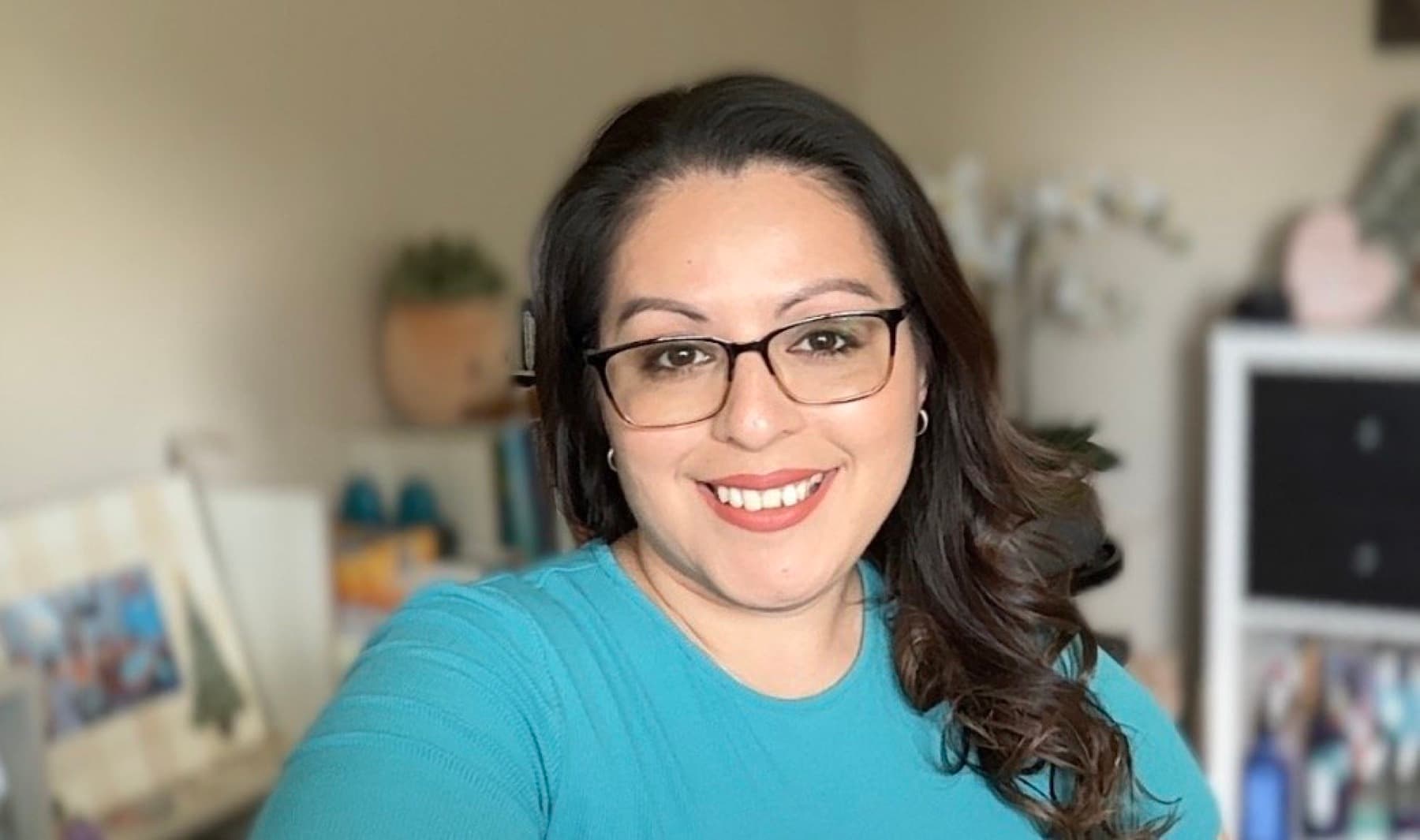
I integrate attachment theory into my trauma-informed approach. Whether you're struggling with anxious attachment or trying to understand patterns in your relationships, we'll create a path forward together. Using Internal Family Systems (IFS) and Attachment-Focused EMDR, I help you address the underlying wounds and build secure attachment within yourself and with others.
Healing starts with understanding. Together, we can uncover patterns, reprocess old wounds, and help you build the connections you deserve.

Therapy with an attachment-focused lens can help you…
From 'what's wrong with me?'
To the more compassionate 'what happened to me?', which opens the door to healing.
More emotional security
Feel more confident and secure in relationships, knowing you are worthy of love.
Healthier boundaries
Set boundaries that protect your well-being while fostering mutual respect.
Clearer communication
Express your needs and feelings without fear of judgment or rejection.
Deeper connection
Build authentic relationships based on trust, vulnerability, and care.
Greater self-worth
Shift negative self-beliefs and embrace your inherent value.
W.F. · Kissimmee, FL
More client stories“Almost a year ago, I came to LotusMindFlow to work through some situations that I was experiencing. If I have to be honest, I didn't believe Becky was going to be helpful. I have to admit I was very wrong. I was a broken woman when I began my journey with LotusMindFlow, during that journey, I would ask myself, why are you wasting your time coming here week after week? I thank God I did not give up. I am a believer and after many of my sessions I would attend church the following Sunday and I would receive confirmation on the discussions that I had during the past sessions. Today, I write this testimonial as a free and happy woman. Thank you Becky for being there when I needed a counselor most.”
FAQs about Attachment-Based Therapy
Have a question that isn't answered here? I'm happy to talk it through in a free consultation.
Yes. Attachment styles can feel deeply ingrained, but they are not fixed. Through therapy, self-awareness, and healing past wounds, it's possible to move toward "earned" secure attachment.
Attachment wounds are emotional injuries that occur when your needs for safety, connection, and validation weren't met in childhood. They can result from neglect, inconsistency, or traumatic experiences with caregivers.
Absolutely. Attachment wounds can lead to feelings of unworthiness, difficulty trusting yourself, or over-relying on others for validation, which shapes how you see yourself and make choices in every area of life.
Therapy offers a safe relationship in which to explore how early experiences shaped your relationships and self-perception. With tools like EMDR and IFS, we address the root of those wounds and develop healthier ways of connecting with yourself and others.
I use trauma-informed approaches like Attachment-Focused EMDR to reprocess painful memories, and IFS to understand and heal the parts of you that carry attachment wounds. Together, they build internal security and healthier relationship patterns.
My practice focuses on individual therapy for adults. Attachment work in individual sessions often changes how you show up in your relationships, even when your partner isn't in the room.
Attachment-Based Therapy by location
Online sessions are available anywhere in Colorado and Florida. Find details for your area.





Your healing can start here.
Reach out for a free 15-minute consultation. We'll talk about what's bringing you in and whether we're the right fit, gently, and with zero pressure.